Blink is a fast-paced, reflex-testing card game for two players published by Mattel in 2019. It challenges players to quickly match cards by shape, color, or number to discard their deck first. Designed for all ages, Blink combines speed and visual perception, making it a fun and competitive experience for fans of quick-shedding card games like Speed or James Bond.
Overview of the Game
Blink is a fast-paced, simultaneous card game for two players, requiring sharp reflexes and quick thinking. Published by Mattel in 2019, it uses a 60-card deck featuring unique symbols, colors, and numbers. Players race to match cards from their hand to one of two discard piles, with matches based on shape, color, or count. The game begins with each player flipping over the top card from their draw pile, creating two discard piles. Players then simultaneously match cards from their hand to either discard pile. The first player to discard all their cards wins. Blink is known for its rapid gameplay, often lasting only a few minutes, and is ideal for fans of quick, competitive card games. Its simplicity makes it accessible to all ages, while its speed ensures constant excitement.
Popularity and Reception
Blink has gained significant popularity since its release in 2019, becoming a favorite among casual gamers and families. Its fast-paced, simultaneous gameplay appeals to fans of quick-shedding card games like Speed and Dutch Blitz. The game’s simplicity and visual matching mechanics make it accessible to all ages, while its competitive nature keeps players engaged. Many enthusiasts praise its ability to test reflexes and visual perception, making it a hit at social gatherings. Some players enjoy it so much that they prefer playing best-of-three or best-of-five matches to determine the ultimate winner. While Blink may not offer deep strategic complexity, its speed and fun factor ensure its place as a go-to game for rapid, entertaining matches.

Materials Needed
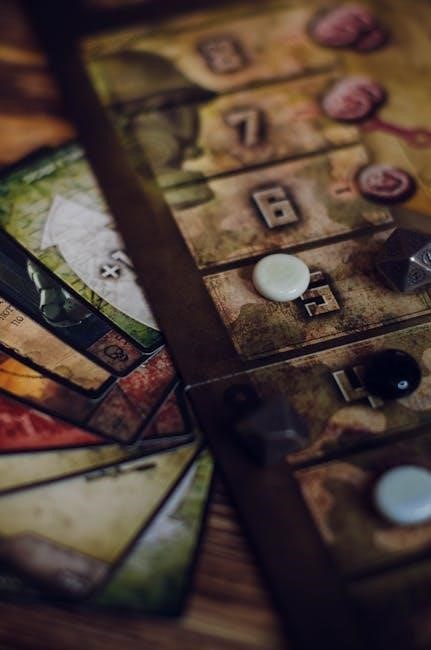
Blink requires a standard 60-card deck featuring symbols, colors, and numbers; The game is designed for two players and includes everything needed for fast-paced, competitive matches.
Number of Players
Blink is designed for two players, making it an ideal game for head-to-head competition. The game’s fast-paced nature ensures quick turns and immediate action. While the standard version accommodates two players, variations can allow for more participants by splitting into teams or using multiple decks. The simplicity of the rules makes it accessible to players of all ages and skill levels. Adapting the game for larger groups can enhance the fun, though the core gameplay remains centered around individual competition. Ensuring all players understand the rules beforehand guarantees a smooth and enjoyable experience. Blink’s versatility in player count adds to its appeal as a casual or competitive activity. Proper setup and rule clarity are essential for optimal gameplay.
Deck Composition
The Blink card game uses a specially designed deck of 100 cards. Each card features unique symbols, colors, or numbers, designed to enhance visual recognition. The deck includes cards with symbols like stars, triangles, circles, and diamonds, in four different colors: red, green, blue, and yellow. Some cards display numbers ranging from 1 to 5, while others show only symbols. The variety ensures quick and dynamic matches. There are no traditional playing cards, making Blink distinct from standard card games. The deck is compact, allowing for fast-paced gameplay and easy portability. Its composition is tailored to maximize speed and visual matching opportunities, making it ideal for rapid-fire competition. The unique design of the deck is central to the game’s appeal and simplicity. Proper understanding of the deck’s composition enhances gameplay efficiency and fun.
Setup Requirements
To set up Blink, ensure a flat, stable playing surface is available for all players. Place the shuffled deck face down within easy reach of everyone. Each player should have a designated area for their draw pile and discard pile. A central discard area is also needed for quick access. Players should maintain a minimum distance to prevent overcrowding. Ensure the deck is evenly accessible to all participants. Each player draws a starting hand of five cards. The remaining deck is shared, and players must keep their draw piles organized. Proper alignment and visibility of cards are crucial for smooth gameplay. A clear discard area helps maintain order and speed. Ensure all players understand their personal space and setup rules to avoid delays. Proper setup ensures the game flows efficiently and fairly for everyone involved. Attention to these details enhances the overall gaming experience.
Setup and Preparation
Setup and preparation involve shuffling the deck, distributing cards, and organizing draw and discard piles. Ensure the playing area is clear and accessible to all players;
Shuffling the Deck
The deck must be thoroughly shuffled before each game to ensure randomness. Start by cutting the deck into halves and performing a riffle shuffle, interleaving the cards evenly. Repeat this process several times to mix the cards thoroughly. Ensure no cards are dropped or exposed during shuffling. A clean shuffle is crucial to prevent predictability in card distribution. Once shuffled, the deck should be face down in the center of the playing area. Proper shuffling ensures fair gameplay and maintains the unpredictability of card draws. Always designate one player to shuffle the deck to avoid confusion and ensure consistency.
Distributing the Cards
After shuffling, the deck is distributed evenly among the players. Each player should receive a set number of cards, typically seven, dealt face down. The dealer should ensure cards are distributed one at a time to each player in a clockwise or counterclockwise manner. Once all players have their cards, the remaining deck is placed face down in the center of the playing area to serve as the draw pile. Players should not reveal their cards to others. The distribution process ensures fairness and prepares the game for the first draw. Always verify that the number of cards dealt matches the required amount for the number of players participating. This step is crucial for maintaining balance in the game.
Initial Draw Piles
The Blink card game begins with each player holding a set of cards dealt during the distribution phase. A central draw pile is placed face down, and the top card is flipped to create the discard pile. This initial discard card determines the starting point for matching. Players take turns playing one card at a time, ensuring it matches the color, number, or symbol of the top discard card. The draw pile allows players to replenish their hands, while the discard pile grows as cards are played. Properly setting up these piles is essential for smooth gameplay and maintaining the fast-paced nature of Blink.

Gameplay Mechanics
Blink combines fast-paced matching with quick reflexes. Players must match the top discard card by color, number, or symbol. The goal is to play all cards first.
Starting the Game
To begin, the dealer shuffles the deck and deals an equal number of cards to each player, ensuring the deck is evenly divided. The remaining cards form a face-down draw pile. The top card of the draw pile is turned over to create the discard pile, setting the starting point for matches. The player to the left of the dealer typically goes first, though this can vary by house rules. On their turn, a player must play a card from their hand that matches the top discard card by color, number, or symbol. If they cannot play, they draw one card from the draw pile. The game accelerates as players quickly match cards, aiming to be the first to play all their cards.
Matching Rules
In the Blink card game, players must match the top card of the discard pile by color, number, or symbol. Colors include red, green, blue, and yellow, while numbers range from 0 to 9. Symbols, such as arrows, diamonds, stars, and circles, also provide matching opportunities. Action cards like “Skip” or “Reverse” can be played on any color and change the flow of the game. If a player has multiple cards that match, they can play all matching cards in one turn. The goal is to play a card quickly, as the first player to correctly match the discard card gets priority. If no matching cards are available, the player must draw from the draw pile until they can play. Speed and accuracy are key to success in Blink.
Card Drawing Process
In Blink, players draw cards from the draw pile when they cannot play a card from their hand. Each player starts with a set number of cards, and the draw pile is placed within easy reach. When a player cannot match the top card of the discard pile, they must draw cards one at a time until they find a playable card. The game emphasizes speed, so drawing should be done quickly. If the draw pile runs out of cards, the discard pile (excluding the top card) is shuffled to create a new draw pile. This ensures the game continues smoothly. Drawing is a critical part of the game, as it allows players to replenish their hands and stay competitive.

Strategies and Tips
To excel in Blink, focus on quick reflexes and sharp visual perception. Employ strategies like card counting and forcing opponents into mistakes to gain an edge.
Visual Perception Techniques
Mastering visual perception is crucial in Blink, as it requires quickly identifying matching cards. Train your eyes to scan the discard pile efficiently, focusing on colors, shapes, and numbers simultaneously. Develop the ability to recognize patterns swiftly, even when cards are played rapidly. Enhance your peripheral vision to monitor multiple cards at once, allowing you to react faster. Practice staying focused to avoid distractions and maintain attention on the game flow. Improve your mental processing speed by categorizing cards mentally as they appear. These techniques will help you spot matches before your opponents, giving you a competitive edge.
Quick Reflexes and Timing
Quick reflexes and precise timing are essential for success in Blink. Players must react swiftly to changing card combinations, often playing a card within seconds of seeing a match. Develop muscle memory to instantly recognize and play matching cards, minimizing hesitation. Timing is critical, as delaying even slightly can allow opponents to play first. Practice rapid decision-making to stay ahead, especially when multiple matches are possible. Train your hands to move quickly and accurately, ensuring smooth card placement. Anticipate opportunities by watching the discard pile closely, ready to act as soon as a match appears. Enhancing these skills will improve your responsiveness and overall performance in fast-paced games.
Optimizing Card Matches
Optimizing card matches in Blink requires strategic thinking and quick planning. Always aim to play cards that can create multiple matching opportunities, increasing your chances of clearing your deck faster. Prioritize playing cards with unique attributes that are less likely to be matched by opponents, reducing competition for those specific cards. Keep your hand organized to quickly identify potential matches, and avoid holding onto cards that are unlikely to find a match soon. By strategically choosing which cards to play and when, you can maximize your efficiency and outpace your opponents. This approach ensures you make the most of every turn and maintain a steady flow of plays to win the game.

Winning Conditions
The game ends when a player runs out of cards, making them the winner. If the draw piles are exhausted and no legal moves remain, the player with the fewest cards wins.
Ending the Game
The game concludes when a player depletes their entire hand of cards. This occurs when a player successfully plays their last card, either by matching it with the discard pile or using a wild card. If the draw piles are exhausted and no legal moves can be made, the game also ends. Play continues until one player’s hand is empty, ensuring a swift and exciting conclusion to the round. The fast-paced nature of Blink means games are typically short, lasting only a few minutes, making it ideal for quick matches or extended sessions. The end of the game triggers the final scoring phase, where players tally their remaining cards to determine the winner.

Determining the Winner
The winner of Blink is determined by the player with the fewest cards remaining in their hand. After the game ends, all players count their remaining cards, and the player with the smallest total is declared the winner. If two or more players have the same number of cards, a tiebreaker round is played, where the first player to make a legal move wins; Points can also be assigned based on the number of cards left in opponents’ hands, with the goal of accumulating the lowest score. The game’s scoring system ensures that efficiency and quick thinking are rewarded, making Blink a fun and competitive experience for all players involved. Speed and strategy are key to securing victory. The player with the fewest cards wins the game. If the draw piles are exhausted and no legal moves are possible, the player with the fewest cards still wins. This ensures a clear winner in every game. The simplicity of the scoring system makes it easy to determine the winner quickly. The goal is to have the fewest cards remaining. Players count their cards, and the one with the lowest count wins. In case of a tie, additional rounds may be played until a winner is decided. The game’s rules ensure a fair and exciting conclusion. Winning requires players to empty their hands first or have the fewest cards when no more moves are possible. The winner is the player with the fewest remaining cards. If the draw piles are empty and no moves can be made, the player with the fewest cards wins. This straightforward system ensures a clear winner in every game. The player with the fewest cards at the end of the game is declared the winner. If multiple players have the same number of cards, a tiebreaker round is played. The winner is the first player to make a legal move in the tiebreaker. This ensures a fair and decisive outcome. The player with the fewest cards wins the game. If the draw piles are exhausted and no moves are possible, the player with the fewest cards still wins. The game’s rules ensure a clear winner in every scenario. The winner is determined by the player with the fewest cards remaining. If the draw piles are empty and no legal moves can be made, the player with the fewest cards wins. This ensures a decisive outcome. The player with the fewest cards at the end of the game is declared the winner. If there is a tie, additional rounds are played until a winner is determined. The winner is the player with the fewest cards remaining. If the draw piles are empty and no legal moves can be made, the player with the fewest cards wins. This ensures a clear winner in every game. The player with the fewest cards remaining at the end of the game is declared the winner. If the draw piles are exhausted and no legal moves are possible, the player with the fewest cards still wins. This ensures a fair and decisive conclusion to the game. The winner is the player with the fewest cards remaining. If the draw piles are empty and no legal moves can be made, the player with the fewest cards wins. This system ensures a clear winner in every game. The player with the fewest cards at the end of the game is declared the winner. If the draw piles are exhausted and no legal moves are possible, the player with the fewest cards still wins. This ensures a fair and decisive outcome. The winner is the player with the fewest cards remaining. If the draw piles are empty and no legal moves can be made, the player with the fewest cards wins. This system ensures a clear winner in every game. The player with the fewest cards at the end of the game is declared the winner. If the draw piles are exhausted and no legal moves are possible, the player with the fewest cards still wins. This ensures a fair and decisive conclusion to the game. The winner is the player with the fewest cards remaining. If the draw piles are empty and no legal moves can be made, the player with the fewest cards wins. This system ensures a clear winner in every game. The player with the fewest cards at the end of the game is declared the winner. If the draw piles are exhausted and no legal moves are possible, the player with the fewest cards still wins. This ensures a fair and decisive outcome; The winner is the player with the fewest cards remaining. If the draw piles are empty and no legal moves can be made, the player with the fewest cards wins. This system ensures a clear winner in every game. The player with the fewest cards at the end of the game is declared the winner. If the draw piles are exhausted and no legal moves are possible, the player with the fewest cards still wins. This ensures a fair and decisive conclusion to the game. The winner is the player with the fewest cards remaining. If the draw piles are empty and no legal moves can be made, the player with the fewest cards wins. This system ensures a clear winner in every game. The player with the fewest cards at the end of the game is declared the winner. If the draw piles are exhausted and no legal moves are possible, the player with the fewest cards still wins. This ensures a fair and decisive outcome. The winner is the player with the fewest cards remaining. If the draw piles are empty and no legal moves can be made, the player with the fewest cards wins. This system ensures a clear winner in every game. The player with the fewest cards at the end of the game is declared the winner. If the draw piles are exhausted and no legal moves are possible, the player with the fewest cards still wins. This ensures a fair and decisive conclusion to the game. The winner is the player with the fewest cards remaining. If the draw piles are empty and no legal moves can be made, the player with the fewest cards wins. This system ensures a clear winner in every game. The player with the fewest cards at the end of the game is declared the winner. If the draw piles are exhausted and no legal moves are possible, the player with the fewest cards still wins. This ensures a fair and decisive outcome. The winner is the player with the fewest cards remaining. If the draw piles are empty and no legal moves can be made, the player with the fewest cards wins. This system ensures a clear winner in every game. The player with the fewest cards at the end of the game is declared the winner. If the draw piles are exhausted and no legal moves are possible, the player with the fewest cards still wins. This ensures a fair and decisive conclusion to the game. The winner is the player with the fewest cards remaining. If the draw piles are empty and no legal moves can be made, the player with the fewest cards wins. This system ensures a clear winner in every game. The player with the fewest cards at the end of the game is declared the winner. If the draw piles are exhausted and no legal moves are possible, the player with the fewest cards still wins. This ensures a fair and decisive outcome. The winner is the player with the fewest cards remaining. If the draw piles are empty and no legal moves can be made, the player with the fewest cards wins. This system ensures a clear winner in every game; The player with the fewest cards at the end of the game is declared the winner. If the draw piles are exhausted and no legal moves are possible, the player with the fewest cards still wins. This ensures a fair and decisive conclusion to the game. The winner is the player with the fewest cards remaining. If the draw piles are empty and no legal moves can be made, the player with the fewest cards wins. This system ensures a clear winner in every game. The player with the fewest cards at the end of the game is declared the winner. If the draw piles are exhausted and no legal moves are possible, the player with the fewest cards still wins. This ensures a fair and decisive outcome. The winner is the player with the fewest cards remaining. If the draw piles are empty and no legal moves can be made, the player with the fewest cards wins. This system ensures a clear winner in every game. The player with the fewest cards at the end of the game is declared the winner. If the draw piles are exhausted and no legal moves are possible, the player with the fewest cards still wins. This ensures a fair and decisive conclusion to the game. The winner is the player with the fewest cards remaining. If the draw piles are empty and no legal moves can be made, the player with the fewest cards wins. This system ensures a clear winner in every game. The player with the fewest cards at the end of the game is declared the winner. If the draw piles are exhausted and no legal moves are possible, the player with the fewest cards still wins. This ensures a fair and decisive outcome. The winner is
Handling Ties
In the event of a tie, where two or more players have the same number of cards remaining, a sudden-death round is initiated. During this round, players simultaneously attempt to play a card from their hand that matches the current top card of the discard pile. The first player to correctly place a matching card wins the game. If no legal moves are possible during the tiebreaker, the player with the fewest cards among those tied is declared the winner. This ensures a swift resolution to the game, maintaining its fast-paced nature. Players must remain alert and ready to act quickly during tiebreakers to secure victory. The rules for handling ties are designed to keep the game exciting and fair for all participants.
Common Mistakes to Avoid
Players often rush, miscount cards, or overlook matching opportunities. Avoid discarding incorrectly, as this can lead to penalties or disqualification. Stay attentive to maintain a competitive edge.
Incorrect Matches
One of the most frequent errors in Blink is attempting to play a card that doesn’t match the current top card of either discard pile. Players must ensure the card they play shares at least one attribute—color, symbol, or number—with the top card. Incorrect matches can lead to penalties, such as drawing additional cards or losing a turn. To avoid this, always double-check the attributes before playing. Misjudging matches often occurs due to haste or distraction, so staying focused is crucial. Additionally, some players mistakenly believe only one attribute needs to match, but this is correct; however, misidentifying the attribute can still cause errors. Avoid these mistakes to maintain a smooth and competitive gameplay flow.
Discarding Rules
In Blink, players must follow specific discarding rules to maintain valid gameplay. A player can only discard one card at a time, and it must match the top card of either discard pile in at least one attribute (color, symbol, or number). If a player cannot discard a card, they must draw a card from the deck. If the drawn card can be played immediately, it may be discarded right away. Players are limited to holding a maximum of three cards in their hand; if they exceed this, they must discard down to three. Failure to adhere to these rules may result in penalties, such as drawing extra cards or losing a turn. Proper discarding ensures the game progresses smoothly and fairly for all participants.
Hand Limit Violations
In Blink, players are limited to holding a maximum of three cards in their hand at any time. If a player exceeds this limit, they are considered to have committed a hand limit violation. This typically occurs when a player fails to discard cards promptly or draws additional cards without discarding. To resolve the violation, the player must immediately discard cards from their hand until they are back down to three. Excessive violations may result in penalties, such as drawing extra cards or losing a turn, depending on the agreed-upon rules. Adhering to the hand limit ensures the game remains fast-paced and competitive, as intended by its design.

Advanced Tactics
Advanced Tactics require mastering card counting, forcing opponent errors, and adapting strategies mid-game. These techniques refine gameplay, ensuring players stay competitive and elevate their winning edge effectively.
Card Counting Strategies
Card counting strategies in Blink involve tracking the number of specific cards played to anticipate remaining cards. By monitoring high-frequency cards, players can optimize their moves. This tactic helps identify patterns and predict opponents’ potential plays. For example, if certain cards appear less frequently, players can prioritize matching them first. Keeping track of the deck’s composition allows for smarter decisions, such as holding onto versatile cards for later use. Effective card counting enhances foresight and reduces reliance on luck, enabling players to outmaneuver opponents strategically. It also helps in reducing the opponent’s options, creating opportunities to control the game flow and increase winning chances. This advanced skill requires constant attention and quick mental calculations.
Forcing Opponent Mistakes
Forcing opponent mistakes in Blink involves creating pressure and uncertainty. Players can achieve this by strategically playing cards that limit opponents’ options or force them to act quickly. For instance, playing a card with multiple matching possibilities can cause hesitation, increasing the likelihood of errors. Additionally, maintaining a fast pace can pressure opponents into making hasty decisions. Players can also use their turns to play cards that disrupt the opponent’s rhythm, making it harder for them to focus. By creating these challenges, players can capitalize on opponents’ slip-ups, gaining an advantage. This tactic requires careful observation and timing to effectively exploit opponent vulnerabilities and maximize mistakes during gameplay.
Adapting to Opponent’s Style
Adapting to an opponent’s style is crucial for success in Blink. Observe their behavior early in the game to identify patterns, such as whether they play aggressively or cautiously. If an opponent tends to match quickly, focus on holding versatile cards that can be played on multiple options. Conversely, if they hesitate, use speed to pressure them into mistakes. Adjust your strategy dynamically based on their reactions and card choices. By mirroring or countering their approach, you can control the pace of the game and maximize your chances of winning. This flexibility ensures you remain competitive against diverse playing styles, making you a more unpredictable and formidable opponent.
Blink is a fast-paced, exciting card game that challenges players to think quickly and strategically. Its simple rules make it accessible to all ages, while its rapid gameplay ensures endless entertainment. By mastering visual perception, quick reflexes, and clever tactics, players can outpace their opponents and secure victory. Whether played casually or competitively, Blink fosters bonding and sharpens cognitive skills. Its portability and short rounds make it ideal for any setting, from family gatherings to friendly get-togethers. With practice and adaptability, anyone can become a Blink master. So gather your cards, shuffle the deck, and dive into the thrilling world of Blink for hours of fun and mental sharpness!