Navigating the complexities of accessing academic resources‚ particularly a specific edition like the 11th‚ requires understanding legitimate sources and potential risks associated with free downloads.
The Significance of Historical Texts
Historical texts‚ like the “Mexican History” 11th edition‚ are crucial for understanding societal evolution and cultural identity. They aren’t merely chronicles of events; they represent interpretations shaped by the author’s context and available evidence. Accessing reliable editions ensures engagement with scholarly research and nuanced perspectives.
Metadata within these texts‚ often overlooked‚ guides browser processing and caching behavior – vital for accurate information delivery. While seeking a “free PDF” might seem convenient‚ it risks encountering outdated or inaccurate versions. Prioritizing legitimate sources safeguards against misinformation and supports academic integrity‚ fostering a deeper comprehension of Mexico’s rich past.
Why the 11th Edition Matters
The 11th edition represents the culmination of updated research‚ historiographical debates‚ and revised interpretations of Mexican history. Newer editions incorporate recent archaeological discoveries‚ reinterpretations of primary sources‚ and evolving scholarly consensus. Relying on older or unofficial PDFs risks missing these critical advancements.
Browser caching and metadata directives‚ though seemingly technical‚ impact access to the most current information. While a “free PDF” may exist‚ its accuracy and completeness are questionable. Prioritizing the latest edition ensures engagement with the most informed and comprehensive understanding of Mexico’s complex past‚ avoiding outdated perspectives and potential inaccuracies.
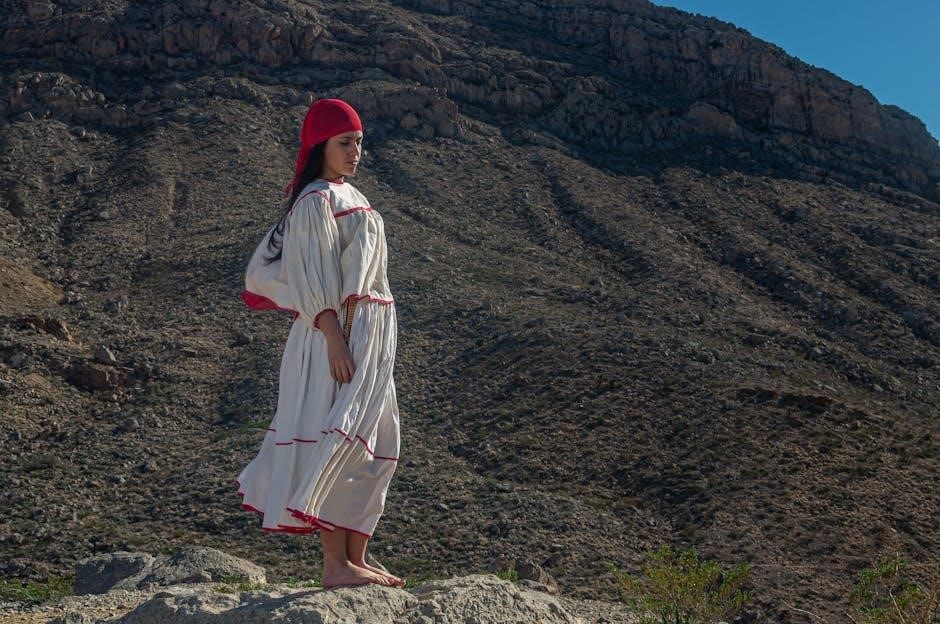
Pre-Columbian Mexico (Before 1519)
Exploring ancient Mesoamerican civilizations—Maya‚ Aztec‚ and others—requires accurate historical context‚ best found within a reliable‚ updated academic source.
Mesoamerican Civilizations: An Overview
Mesoamerica‚ a cradle of civilization‚ witnessed the flourishing of diverse cultures before European contact. These societies‚ including the Olmec‚ Maya‚ and Aztec‚ shared common traits like advanced agriculture—particularly maize cultivation—complex calendrical systems‚ and sophisticated religious beliefs centered on polytheism and ritual practices. Their architectural achievements‚ such as monumental pyramids and urban centers‚ demonstrate remarkable engineering skills.
Understanding their interconnectedness and unique developments is crucial. Accessing a comprehensive resource‚ like a well-researched historical text‚ provides invaluable insights into their societal structures‚ artistic expressions‚ and intellectual advancements. Reliable academic sources offer a nuanced perspective‚ avoiding generalizations and promoting accurate historical understanding.
The Maya Civilization
The Maya‚ renowned for their intellectual and artistic accomplishments‚ thrived in present-day Mexico and Central America. Their sophisticated writing system‚ based on glyphs‚ allowed them to record historical events‚ astronomical observations‚ and religious beliefs. They excelled in mathematics‚ developing a concept of zero and a complex calendar system.
Maya cities‚ like Tikal and Palenque‚ featured impressive architecture‚ including towering pyramids‚ palaces‚ and observatories. Studying their societal organization‚ political structures‚ and eventual decline requires access to detailed historical analysis. A comprehensive text offers a deeper understanding of this fascinating civilization‚ beyond simplified narratives.
The Aztec Empire
The Aztecs‚ also known as the Mexica‚ established a powerful empire in central Mexico during the 14th-16th centuries. Their capital‚ Tenochtitlan‚ built on an island in Lake Texcoco‚ was a marvel of engineering and urban planning. Aztec society was highly structured‚ with a complex social hierarchy and a strong military.
They practiced agriculture‚ utilizing innovative techniques like chinampas (floating gardens)‚ and had a rich religious system involving human sacrifice. Understanding their political strategies‚ economic systems‚ and cultural practices demands thorough research. A detailed historical account provides crucial context for analyzing their rise and fall‚ offering insights beyond superficial portrayals.
Other Important Pre-Columbian Cultures
Beyond the Maya and Aztecs‚ numerous other significant cultures flourished in pre-Columbian Mexico. The Olmec‚ considered the “mother culture” of Mesoamerica‚ influenced later civilizations with their monumental sculptures and sophisticated calendar system. The Zapotec and Mixtec civilizations in Oaxaca developed unique writing systems and artistic traditions.
The Toltec‚ known for their warrior culture and architectural innovations at Tula‚ also left a lasting impact. Exploring these diverse societies reveals a complex tapestry of interactions‚ trade‚ and cultural exchange. Accessing comprehensive historical resources is vital for appreciating the full scope of pre-Columbian achievements.
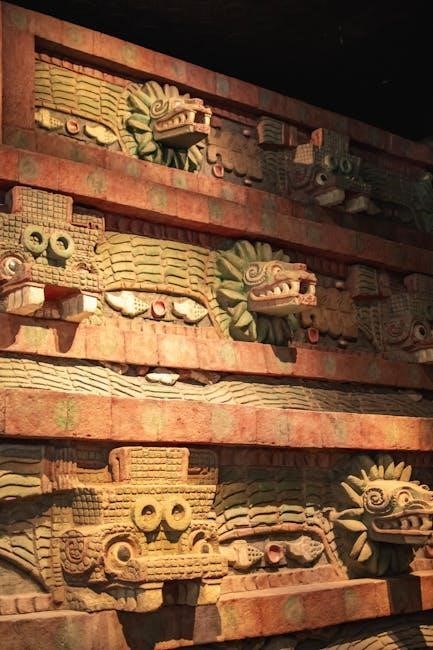
The Colonial Period (1519-1821)
This era witnessed profound transformations‚ marked by Spanish conquest‚ the establishment of New Spain‚ and the enduring influence of the Catholic Church.
The Spanish Conquest
Hernán Cortés’s arrival in 1519 initiated a tumultuous period‚ dramatically altering the course of Mexican history. Exploiting existing indigenous rivalries‚ and aided by superior weaponry and unforeseen diseases‚ the Spanish gradually dismantled the Aztec Empire. This wasn’t a swift‚ singular event‚ but a protracted campaign involving alliances‚ sieges – notably Tenochtitlan – and brutal conflict.
The fall of the Aztec capital in 1521 marked a pivotal moment‚ paving the way for Spanish colonization and the imposition of a new political‚ religious‚ and social order. Indigenous populations suffered immense losses due to warfare‚ disease‚ and forced labor‚ fundamentally reshaping the demographic landscape.
New Spain: Governance and Society
Following the conquest‚ Spain established New Spain‚ a viceroyalty governed by a representative of the Spanish monarch. A rigid social hierarchy emerged‚ with Spanish-born individuals (peninsulares) at the apex‚ followed by those of Spanish descent born in the Americas (criollos). Indigenous populations and those of mixed ancestry (mestizos) occupied lower strata‚ facing systemic discrimination and exploitation.
The Catholic Church wielded significant power‚ playing a crucial role in converting indigenous populations and establishing educational institutions. Economic activity centered around silver mining and agriculture‚ utilizing indigenous labor through systems like the encomienda and repartimiento.
The Role of the Catholic Church
The Catholic Church profoundly shaped colonial Mexico‚ arriving with the Spanish conquistadors and becoming a central pillar of New Spain. Beyond spiritual conversion of indigenous populations‚ the Church amassed considerable wealth and land holdings‚ influencing political and economic life.
Missionaries established missions throughout the territory‚ serving as centers for evangelization‚ education‚ and social control. The Inquisition operated to suppress heresy and maintain religious orthodoxy. Church institutions‚ including universities and schools‚ played a vital role in shaping colonial intellectual life and societal norms.
Economic Exploitation and Social Hierarchy
Colonial Mexico’s economy centered on resource extraction‚ particularly silver mining‚ benefiting Spain while exploiting indigenous and‚ later‚ African labor. The encomienda and repartimiento systems forced native populations into labor‚ often under brutal conditions‚ fueling economic growth for the colonizers.
A rigid social hierarchy emerged‚ with Spanish-born individuals (peninsulares) at the top‚ followed by those of Spanish descent born in the Americas (criollos)‚ then mixed-race individuals (mestizos)‚ indigenous populations‚ and enslaved Africans. This system perpetuated inequality and limited social mobility for the vast majority of the population.

The Independence of Mexico (1821-1848)
The struggle for independence‚ ignited by social inequalities and political grievances‚ dramatically reshaped Mexico‚ initiating a period of instability and nation-building.
Causes of the Mexican War of Independence
A confluence of factors propelled Mexico towards independence. Deep-seated social hierarchies‚ favoring Peninsulares (Spanish-born) over Criollos (Mexican-born Spaniards) and indigenous populations‚ fueled resentment. Economic exploitation‚ with resources flowing to Spain‚ stifled Mexican development and bred discontent among various social classes.
Political marginalization of Criollos from key positions further exacerbated tensions. Enlightenment ideals‚ circulating amongst educated elites‚ inspired calls for self-governance and challenged the legitimacy of Spanish colonial rule. Napoleon’s invasion of Spain in 1808 created a power vacuum‚ weakening Spanish authority and providing an opportune moment for rebellion to ignite. These interwoven elements ultimately sparked the decade-long struggle for Mexican independence.
Key Figures in the Independence Movement
Miguel Hidalgo y Costilla‚ a parish priest‚ ignited the revolution with his “Grito de Dolores” in 1810‚ rallying indigenous and mestizo populations. José María Morelos‚ another priest‚ provided military and political leadership‚ advocating for social reform and a republican government. His vision included abolishing slavery and establishing equality.
Ignacio Allende‚ a Criollo military officer‚ initially joined Hidalgo and played a crucial role in the early stages of the war. Vicente Guerrero continued the fight after Morelos’s death‚ employing guerilla tactics. Finally‚ Agustín de Iturbide‚ a royalist officer‚ surprisingly switched sides and negotiated the Plan de Iguala‚ ultimately securing Mexican independence in 1821.
Early Challenges of Independent Mexico
Newly independent Mexico faced immense hurdles‚ including a devastated economy ravaged by years of conflict and a deeply divided society. Political instability plagued the nation‚ with power struggles between conservatives desiring a monarchy and liberals advocating for a republic. Establishing a stable government proved incredibly difficult‚ marked by frequent coups and shifting leadership.
Economic recovery was hampered by a lack of capital‚ disrupted trade routes‚ and the loss of Spanish investment. Social inequalities persisted‚ with indigenous populations and those of mixed heritage facing continued discrimination. Furthermore‚ defining the nation’s borders and securing recognition from other powers presented significant diplomatic challenges.
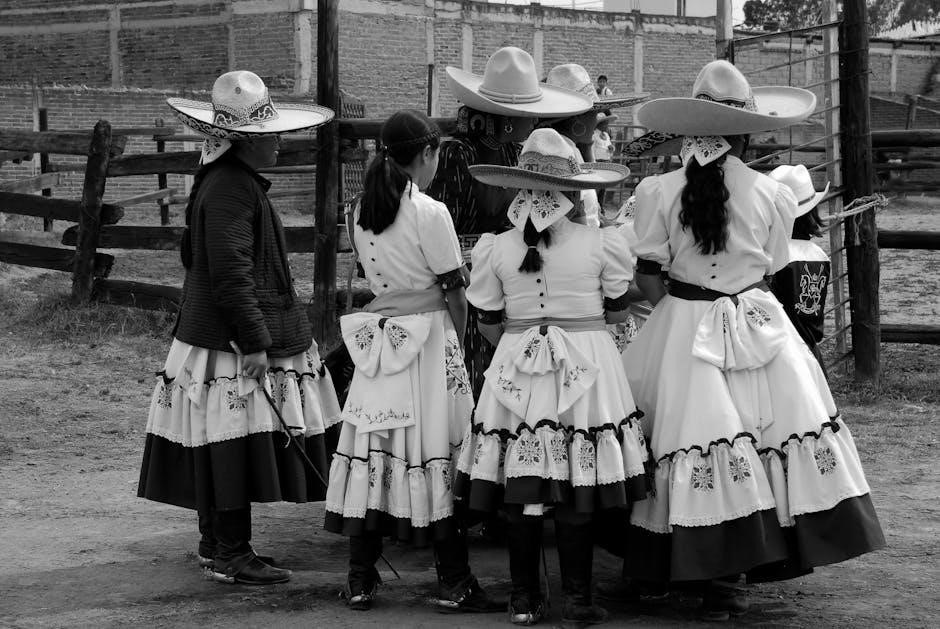
The 19th Century: Instability and Reform (1848-1910)
This era witnessed constant political turmoil‚ foreign intervention‚ and internal conflicts‚ shaping Mexico’s identity through wars and ambitious reform efforts.
The Mexican-American War and its Consequences
The conflict (1846-1848) stemmed from U.S. annexation of Texas and boundary disputes. Mexico suffered significant territorial losses‚ ceding vast lands – including present-day California‚ Nevada‚ Utah‚ and parts of Arizona‚ New Mexico‚ Colorado‚ and Wyoming – through the Treaty of Guadalupe Hidalgo.
This defeat profoundly impacted Mexico’s national psyche and economic stability. It exacerbated internal political divisions and fueled resentment towards the United States. The war also exposed Mexico’s military and political weaknesses‚ contributing to the subsequent instability of the mid-19th century and setting the stage for future reforms and revolutions.
The Reform War and the Rise of Juárez
Following the Mexican-American War‚ liberal reformers‚ advocating for secularization and reduced church power‚ clashed with conservative forces. This internal conflict‚ known as the Reform War (1858-1861)‚ saw Benito Juárez emerge as a pivotal leader. Juárez‚ a Zapotec indigenous lawyer‚ championed liberal principles enshrined in the Constitution of 1857.
His leadership during the war and subsequent French intervention (1862-1867) solidified his status as a national hero. Juárez’s resistance against Maximilian I‚ installed by Napoleon III‚ ultimately led to the restoration of the Mexican Republic and laid the foundation for modern Mexico’s political and social structures.
The Porfiriato: Dictatorship and Modernization
Porfirio Díaz’s long rule (1876-1911)‚ known as the Porfiriato‚ brought relative political stability and significant economic modernization to Mexico. He encouraged foreign investment‚ particularly from the United States and Europe‚ leading to railway construction‚ industrial growth‚ and agricultural expansion. However‚ this progress came at a steep social cost.
Land concentration in the hands of a few wealthy landowners displaced rural communities‚ creating widespread poverty and discontent. Díaz’s authoritarian regime suppressed political opposition and limited democratic freedoms‚ ultimately sowing the seeds for the Mexican Revolution. His policies‚ while modernizing‚ exacerbated existing inequalities.

The Mexican Revolution (1910-1920)
Fueled by deep-seated inequalities and political repression‚ the Revolution dramatically reshaped Mexico‚ ushering in a period of intense conflict and societal upheaval.
Causes of the Revolution
A confluence of long-standing grievances ignited the Mexican Revolution. Decades of Porfiriato rule‚ while bringing modernization‚ concentrated land ownership in the hands of a few‚ displacing rural communities and fostering widespread poverty. Political stagnation and the denial of democratic participation fueled resentment among the middle class and intellectuals.
Economic exploitation‚ particularly by foreign investors‚ further exacerbated tensions. The existing social hierarchy rigidly stratified Mexican society‚ leaving limited opportunities for advancement. These factors‚ combined with a growing awareness of social injustice‚ created a volatile environment ripe for rebellion. The desire for land reform‚ fair labor practices‚ and political representation ultimately propelled the nation into a decade of armed conflict.
Key Leaders and Factions
The Revolution wasn’t a unified movement; it comprised diverse leaders and factions with competing visions for Mexico’s future. Francisco I. Madero initiated the uprising with his call for free elections‚ challenging Porfirio Díaz. Emiliano Zapata championed agrarian reform in the south‚ leading peasant armies demanding land redistribution.
Pancho Villa commanded a formidable force in the north‚ advocating for social justice and challenging federal authority. Venustiano Carranza‚ a more conservative leader‚ sought to restore constitutional order. These figures‚ alongside others like Álvaro Obregón‚ navigated complex alliances and conflicts‚ shaping the revolution’s trajectory and ultimately influencing the nation’s post-revolutionary reconstruction.
Constitutionalism and Post-Revolutionary Reconstruction
Following the intense fighting‚ Mexico embarked on a period of reconstruction centered around establishing a new constitutional framework. The 1917 Constitution‚ a landmark document‚ enshrined social rights‚ including land reform‚ labor protections‚ and limitations on foreign ownership.
Álvaro Obregón played a crucial role in consolidating power and implementing these reforms‚ though challenges remained. The post-revolutionary period witnessed political maneuvering‚ regional conflicts‚ and the gradual establishment of institutions. This era laid the foundation for the Institutional Revolutionary Party (PRI)‚ which would dominate Mexican politics for much of the 20th century‚ shaping the nation’s development.

Mexico in the 20th and 21st Centuries (1920-Present)
The 20th and 21st centuries saw Mexico navigate PRI dominance‚ economic shifts‚ democratization‚ and contemporary issues‚ continually evolving its national identity.
The Institutional Revolutionary Party (PRI) Era
Dominating Mexican politics for much of the 20th century‚ the PRI established a system characterized by political stability‚ albeit often through authoritarian practices. This era‚ spanning from the 1920s to the late 20th century‚ witnessed significant economic development‚ including industrialization and infrastructure projects. However‚ this progress was frequently accompanied by social inequalities and limited political freedoms.
The PRI skillfully utilized corporatism‚ integrating various sectors of society – labor‚ peasants‚ and the military – into its political structure. While providing a degree of social welfare‚ this system also served to control dissent and maintain the party’s grip on power. Land reform‚ nationalization of key industries‚ and a strong centralized government defined this period‚ shaping modern Mexico.
Economic Development and Challenges
Mexico’s economic trajectory has been marked by periods of growth and significant challenges. Post-revolutionary reconstruction and the PRI era saw industrialization‚ fueled by oil discoveries‚ but also increasing foreign debt. The 1982 debt crisis triggered a period of austerity and structural adjustment‚ impacting social programs and leading to economic instability.
NAFTA’s implementation in 1994 aimed to boost trade and investment‚ yet its benefits were unevenly distributed‚ exacerbating regional disparities. Contemporary challenges include income inequality‚ corruption‚ and dependence on the US economy. Diversification‚ investment in education‚ and addressing systemic issues are crucial for sustainable and equitable economic development in the 21st century.
Political Transition and Democratization
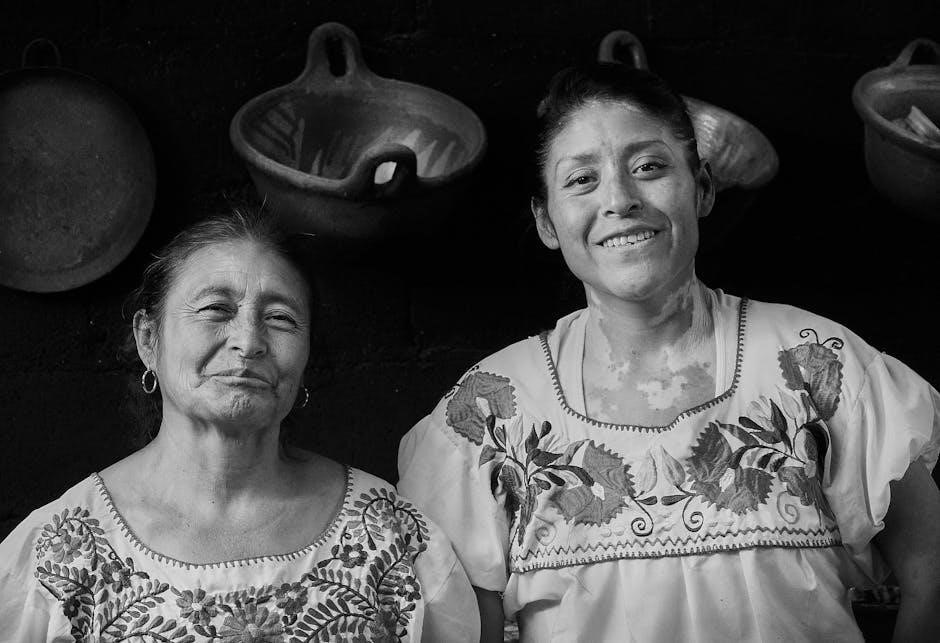
The late 20th and early 21st centuries witnessed a gradual shift away from the Institutional Revolutionary Party’s (PRI) decades-long dominance. Electoral reforms‚ driven by civil society pressure and growing demands for transparency‚ paved the way for increased political competition. The 2000 presidential election marked a historic turning point‚ with Vicente Fox of the PAN party ending the PRI’s hold on power.
However‚ democratization hasn’t been without its hurdles. Challenges persist with issues like political corruption‚ organized crime’s influence‚ and ensuring inclusive representation. Strengthening institutions‚ promoting civic engagement‚ and addressing social inequalities remain vital for consolidating Mexico’s democratic gains.
Mexico Today: Issues and Perspectives
Contemporary Mexico grapples with a complex interplay of economic‚ social‚ and political challenges. Persistent income inequality‚ regional disparities‚ and limited opportunities fuel migration‚ both internal and towards the United States. Security concerns‚ stemming from drug-related violence and organized crime‚ continue to demand significant resources and impact daily life.
Furthermore‚ environmental sustainability‚ access to quality education and healthcare‚ and strengthening the rule of law are crucial priorities. Mexico’s future hinges on fostering inclusive growth‚ promoting social justice‚ and building robust institutions capable of addressing these multifaceted issues effectively.
Locating the “Mexican History 11th Edition PDF”
Securing a legitimate PDF copy involves exploring academic databases‚ university libraries‚ and publisher websites‚ while avoiding potentially harmful unofficial sources.
Legitimate Sources for Academic Texts
Accessing the “Mexican History 11th Edition PDF” ethically and legally necessitates utilizing reputable academic channels. University library databases‚ such as JSTOR‚ ProQuest‚ and academic search engines‚ often provide access to scholarly texts‚ potentially including the desired edition. Publisher websites‚ like those of major academic presses‚ are also reliable sources‚ though purchase may be required.
Furthermore‚ institutional repositories of universities sometimes host digital versions of textbooks used in their courses. Always prioritize sources that respect copyright laws and ensure the authenticity of the material. Beware of websites promising “free” PDFs‚ as these frequently harbor malware or pirated content‚ posing significant security risks.
Risks of Downloading from Unofficial Websites
Seeking a “free” “Mexican History 11th Edition PDF” from unofficial websites presents substantial risks. These sites frequently distribute malware‚ viruses‚ and other malicious software disguised as legitimate academic materials‚ compromising your device’s security and personal data. Pirated content also violates copyright laws‚ potentially leading to legal repercussions.
Moreover‚ the quality of PDFs from such sources is often poor‚ containing missing pages‚ formatting errors‚ or outdated information. Relying on inaccurate or incomplete materials can hinder your academic progress. Prioritizing legitimate sources‚ even if they require purchase‚ safeguards your digital security and ensures access to reliable‚ authentic scholarly content.
Copyright and Fair Use Considerations
Downloading a “Mexican History 11th Edition PDF” without authorization infringes upon copyright laws protecting the author and publisher’s intellectual property. While “fair use” allows limited use of copyrighted material for purposes like research or education‚ distributing or downloading an entire textbook generally exceeds these boundaries.
Understanding these legal implications is crucial. Utilizing legally obtained resources demonstrates academic integrity and respects the rights of content creators. Seeking permission for specific uses or exploring licensed digital libraries are ethical alternatives to unauthorized downloads. Respecting copyright fosters a sustainable environment for scholarly work and knowledge dissemination.
Understanding the Content of the 11th Edition
The 11th edition likely presents key themes‚ historiographical debates‚ and utilizes primary sources‚ offering a nuanced perspective on Mexico’s complex historical narrative.
Key Themes and Interpretations
Exploring the 11th edition reveals central themes like the enduring impact of colonialism‚ the struggles for independence and political stability‚ and the complexities of modernization. Interpretations likely delve into social hierarchies‚ economic exploitation‚ and the role of the Catholic Church throughout Mexican history.
Furthermore‚ the text probably examines the causes and consequences of the Mexican Revolution‚ the rise of the Institutional Revolutionary Party (PRI)‚ and contemporary challenges facing Mexico. Historiographical debates surrounding these events are crucial‚ alongside the careful analysis of primary sources to understand diverse perspectives and evolving narratives.
Historiographical Debates
Scholarly discourse surrounding Mexican history often centers on interpretations of the colonial period – was it primarily exploitative‚ or did it foster cultural exchange? Debates also exist regarding the Revolution’s origins‚ attributing it to socio-economic inequalities or political maneuvering.
Modern historiography increasingly emphasizes indigenous perspectives and the agency of marginalized groups‚ challenging traditional narratives. The role of the United States in shaping Mexican history is another contentious area‚ with differing views on interventionism versus mutual influence. Examining these debates within the 11th edition provides a nuanced understanding.
The Importance of Primary Sources
Engaging with primary sources – colonial documents‚ revolutionary pamphlets‚ personal diaries‚ and oral histories – is crucial for a robust understanding of Mexican history. These firsthand accounts offer unfiltered perspectives‚ allowing students to critically assess interpretations presented in secondary texts like the 11th edition.
Analyzing these sources reveals the complexities of the past‚ challenging simplistic narratives and fostering a deeper appreciation for diverse experiences. The 11th edition likely references and analyzes such sources; understanding their context enhances comprehension and encourages independent historical inquiry.